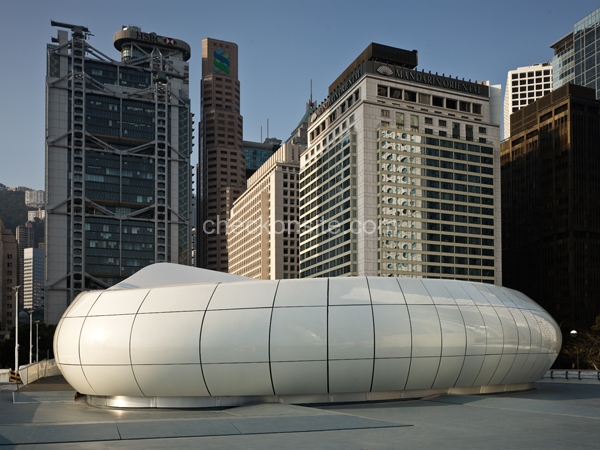
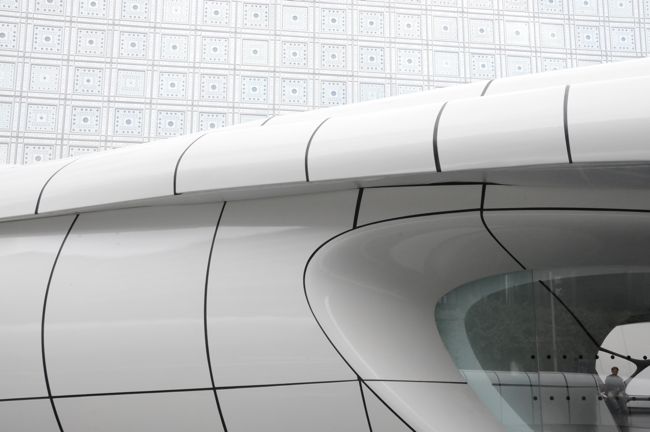
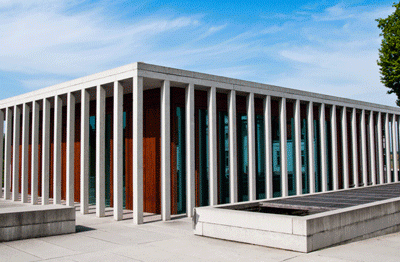
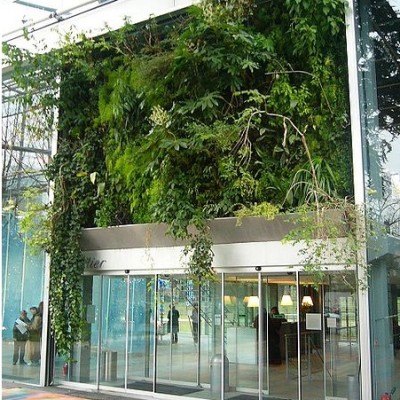
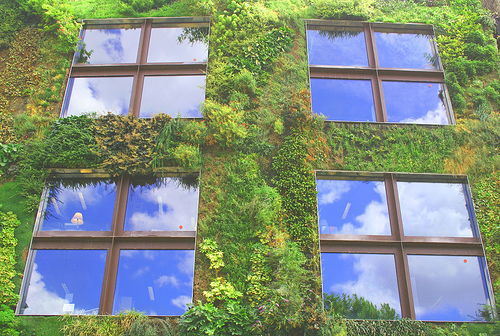
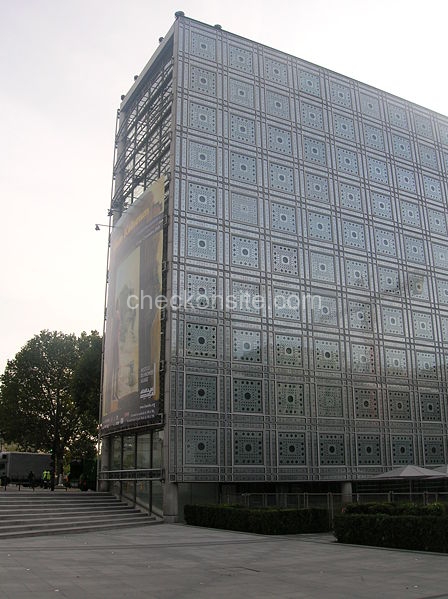
Architect/Designers: Corinne Callies + Jean-Marie Duthilleul

 (2 vote, 80.00% worth checking out)
 (3 vote, 73.33% worth checking out)
  (1 vote, 100.00% worth checking out)
  (2 vote, 100.00% worth checking out) (3 vote, 73.33% worth checking out)
(be the first to vote by clicking on the stars)
(2 vote, 100.00% worth checking out) (3 vote, 73.33% worth checking out)
(be the first to vote by clicking on the stars)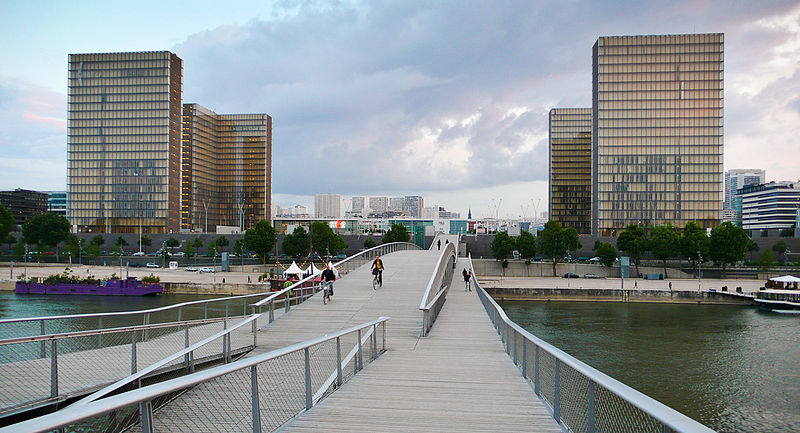 (3 vote, 80.00% worth checking out)
 (be the first to vote by clicking on the stars)
 (be the first to vote by clicking on the stars) (3 vote, 53.33% worth checking out)
  (3 vote, 73.33% worth checking out)
  (3 vote, 73.33% worth checking out)
  (7 vote, 88.57% worth checking out)
  (4 vote, 60.00% worth checking out)
 (5 vote, 52.00% worth checking out)
 (3 vote, 26.67% worth checking out)
  (1 vote, 60.00% worth checking out)
 (5 vote, 72.00% worth checking out)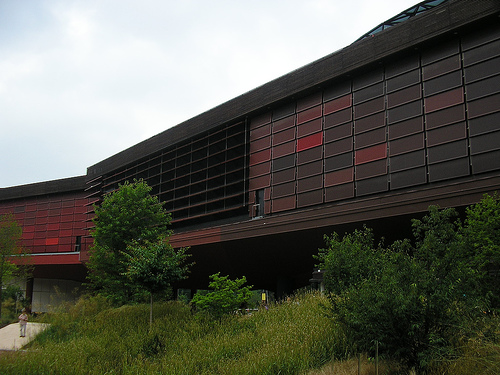
 (16 vote, 81.25% worth checking out)
  (3 vote, 40.00% worth checking out)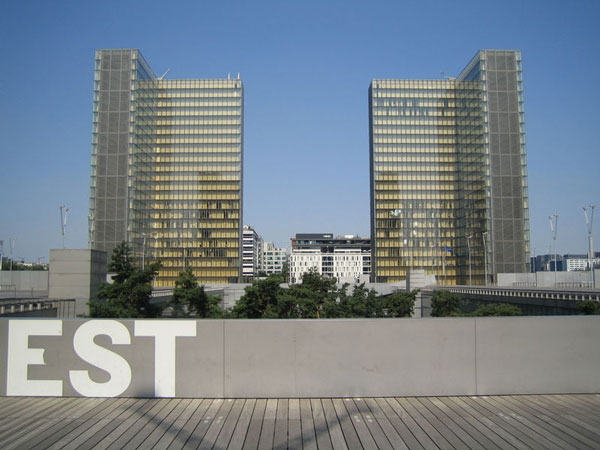
 (14 vote, 70.00% worth checking out) (8 vote, 57.50% worth checking out)
 (8 vote, 80.00% worth checking out)
  (19 vote, 76.84% worth checking out)
  (11 vote, 70.91% worth checking out)