• Home
  • browse
  • Events
  • add image
  • add site
  • faq
  • contact us
  • amazon

checkonsite.com

A world guide for architecture and travel.

browse > Featured Architects > Kengo Kuma

Kengo Kuma

architect website: www.kkaa.co.jp

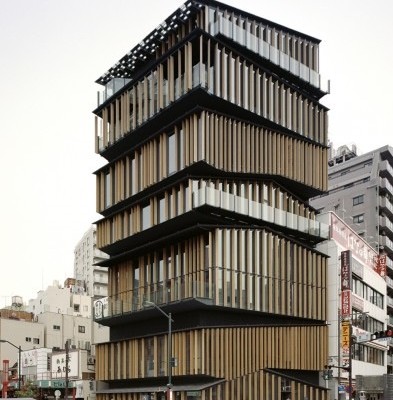
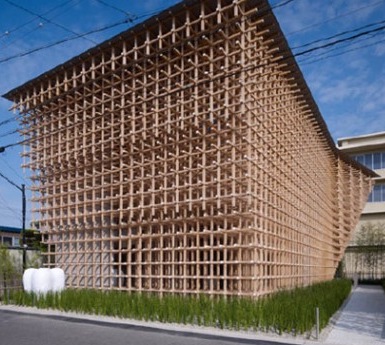
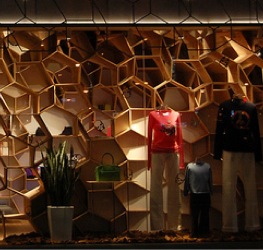
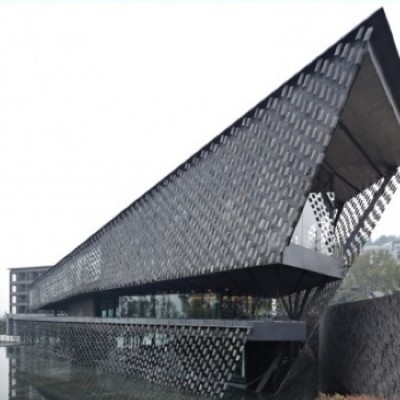
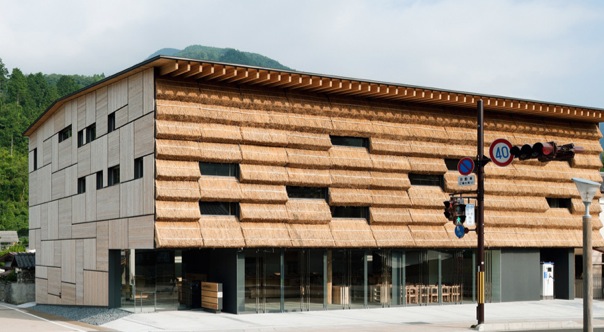
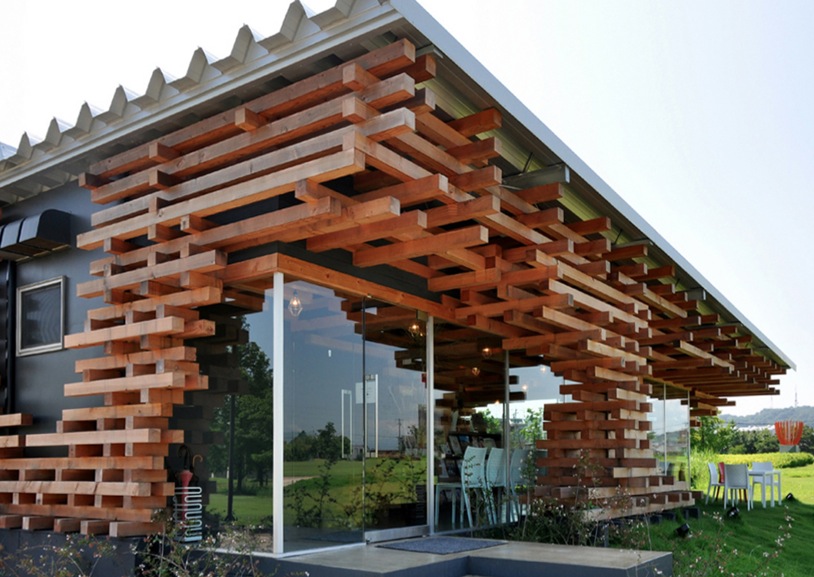
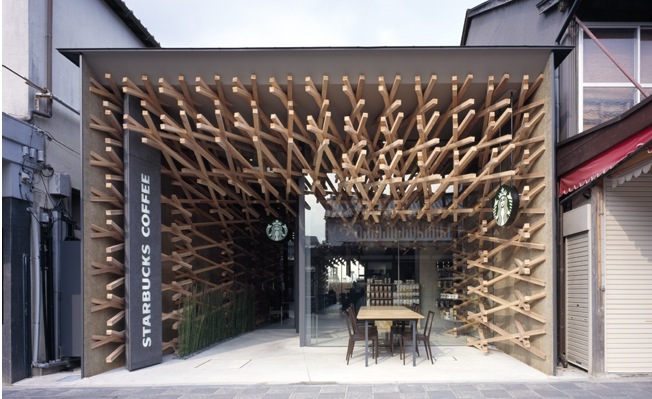
(隈 研吾, Kuma Kengo?, born 1954) is a Japanese architect. Kuma was born in Kanagawa, Japan, and attended Eiko Gakuen junior and senior high schools. After completing a major in architecture at the University of Tokyo in 1979, he worked for a time at Nihon Sekkei and Toda corporation. He then moved to New York for further studies at Columbia University as a visiting researcher from 1985 to 1986. In 1987, he founded the “Spatial Design Studio”. In 1990, “Kengo Kuma & Associates”, his own studio was established. During the 1998-1999 academic year, he was a visiting professor on the faculty of environmental information at Keio University. In 2008, Kuma earned his Ph.D from Keio University , and he is currently a professor on the faculty of science and technology there, in the department of system design engineering.

Kuma’s stated goal is to “recover the tradition of Japanese buildings” and to reinterpret it for the 21st century. In 1997 he won the prestigious Architectural Institute of Japan Award. Kengo Kuma is still designing architectural buildings with the inspiration of light and nature to achieve his goals such as the LVMH (Louis Vuitton Moet Hennessy) Group’s Japan Headquarters as well as one of the largest spas in the Caribbean for Mandarin Oriental Dellis Cay.
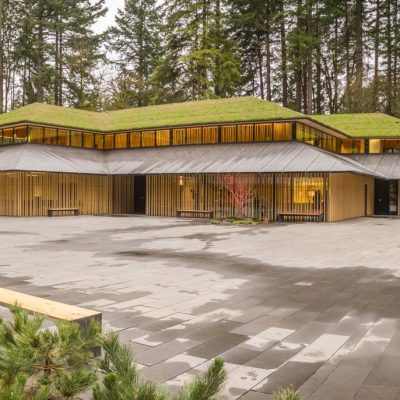
all sites for Kengo Kuma are listed alphabetically:
Recommended accommodation & architecture site.

Ginzan Onsen Fujiya

1 Star2 Stars3 Stars4 Stars5 Stars (4 votes, average: 4.00 out of 5)
Loading ... Loading ...

Location: Obanazawa, Japan
Architect/Designer: Kengo Kuma
Suggested By LT

Last modified: 24 August, 2011 No Comments »

Recommended architecture site.

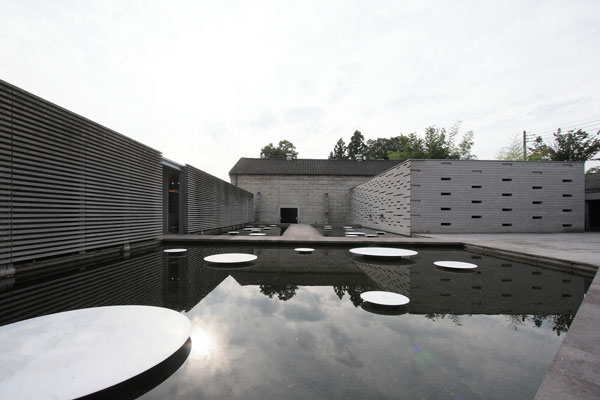
Hiroshige Museum

1 Star2 Stars3 Stars4 Stars5 Stars (No Ratings Yet)
Loading ... Loading ...

Location: Bato, Japan
Architect/Designer: Kengo Kuma
Suggested By LT
 

Last modified: 19 August, 2011 2 Comments »

Recommended architecture site.

Nasu Ashino stone museum

1 Star2 Stars3 Stars4 Stars5 Stars (3 votes, average: 3.00 out of 5)
Loading ... Loading ...

Location: ashino, Japan
Architect/Designer: Kengo Kuma
Suggested By LT
 

Last modified: 28 July, 2009 No Comments »

Recommended architecture site.

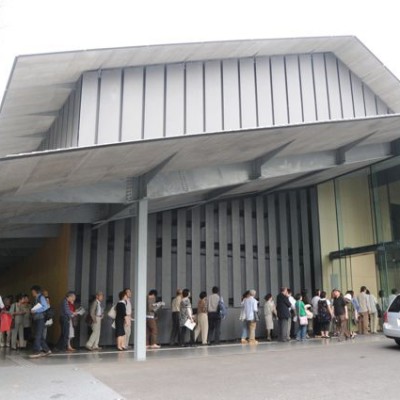
Nezu Museum

1 Star2 Stars3 Stars4 Stars5 Stars (4 votes, average: 4.00 out of 5)
Loading ... Loading ...

Location: Tokyo, Japan
Architect/Designer: Kengo Kuma
Suggested By LT
 

Last modified: 13 January, 2011 1 Comment »

Recommended architecture site.

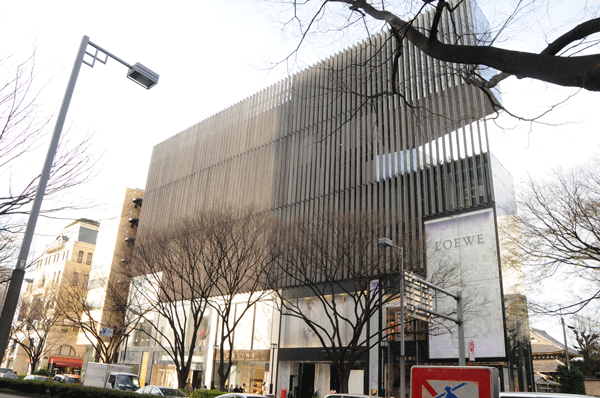
One Omotesando

1 Star2 Stars3 Stars4 Stars5 Stars (3 votes, average: 3.00 out of 5)
Loading ... Loading ...

Location: Tokyo, Japan
Architect/Designer: Kengo Kuma
Suggested By LT
 

Last modified: 8 June, 2010 No Comments »

Recommended architecture site.

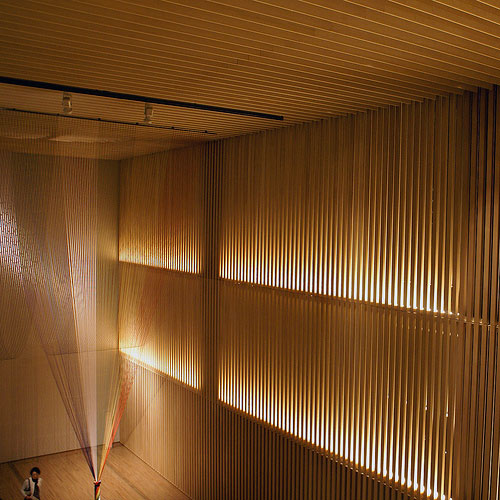
Suntory Museum of Art

1 Star2 Stars3 Stars4 Stars5 Stars (3 votes, average: 3.33 out of 5)
Loading ... Loading ...

Location: Tokyo, Japan
Architect/Designer: Kengo Kuma
Suggested by Kyko
 

Last modified: 8 June, 2010 No Comments »

Recommended architecture & museum site.

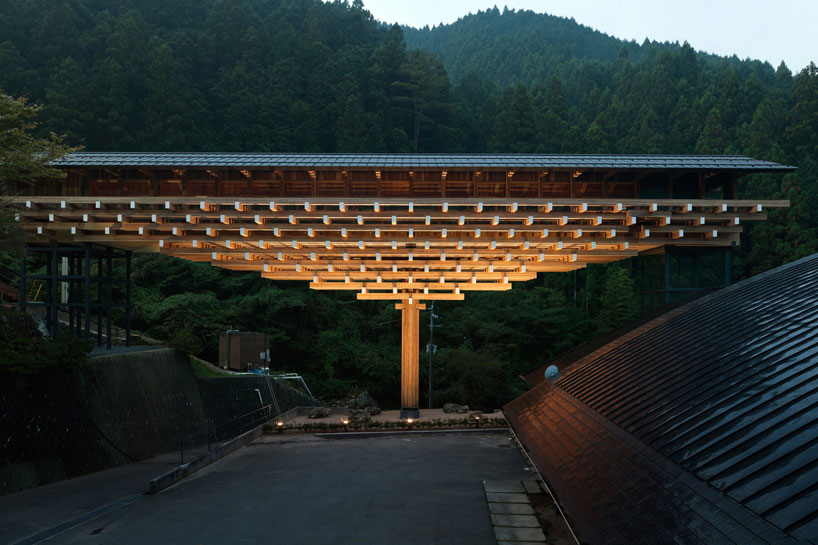
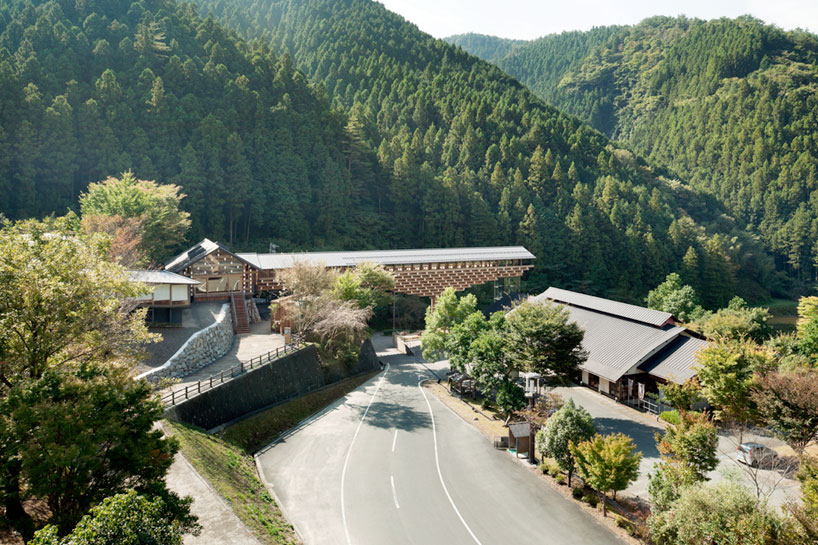
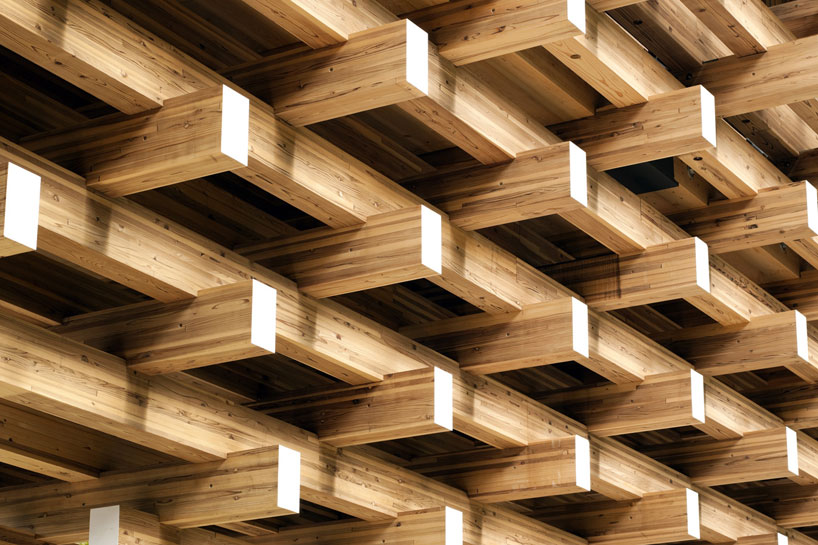
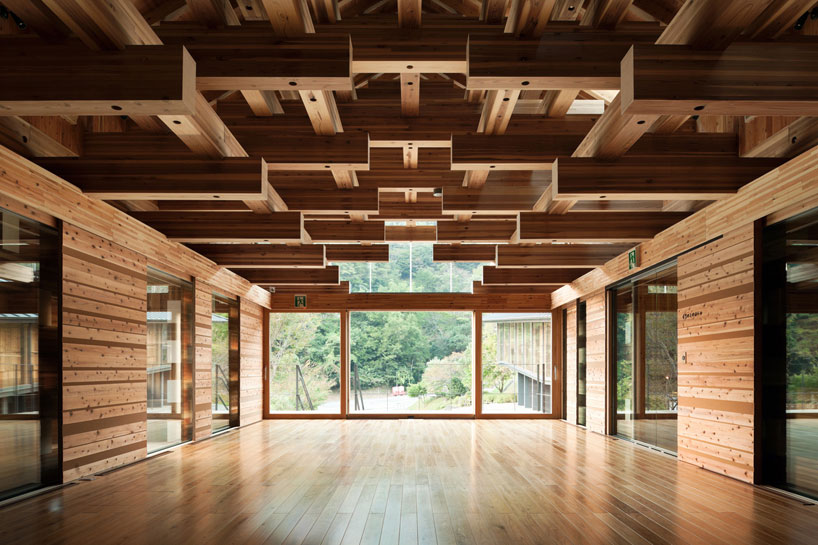
Yusuhara Wooden Bridge Museum

1 Star2 Stars3 Stars4 Stars5 Stars (No Ratings Yet)
Loading ... Loading ...

Location: Yusuhara, Japan
Architect/Designer: Kengo Kuma
Suggested By LT
 

Last modified: 12 December, 2011 No Comments »

review or comment on this architect

  1. on 24 Aug 2011 V Belongovsky Interview with Kengo Kuma

    VB: Among people who influenced your work you named architects Frank Lloyd Wright and Bruno Taut, as well as a sculptor Barbara Hepworth. You also mentioned the importance of Peter Smithson, the architect of the Economist Building in London. What is the importance of this building for you?

    KK: Well, there are two things. First is the detail of the stone cladding. Normally in the 20th century, stone was used as cladding on concrete, but in his Economist Building Smithson fixed stone panels directly to the building’s steel frame. The overall architectural vocabulary seems to be Miesian, but the corners of the buildings are chamfered, and the mullions are fitted with vertical limestone strips. The overall effect is even lighter than Mies. And the second thing is the layout. The central feature is the void, the plaza. Around the plaza there are three buildings of varying dimensions, ranging from low-rise to high-rise. It is very different from the American approach, which usually features an interior atrium. Smithson created a stage: an urban platform on which interesting things might happen.

    VB: Void is very important in traditional Japanese architecture, right?

    KK: The word ma in Japanese means space or sense of place, and it is as important for reading architecture as buildings that relate to it. In all of my works the void is very important. It connects and organizes various elements. In my design for the Museum of Ando Hiroshige it is the void that connects the city with the mountain behind the museum building.

    VB: You said, “The problem with Modernism is that it is still under the influence of classicism in respecting proportions and the beauty of shape. But for me that is a secondary thing. The power of the void is the most important.” Could you elaborate?

    KK: Basically, Modernism belongs to the 20th century. A beautiful building is typically conceived as a beautiful picture or an image. But that is not a real experience. Picture is picture. Proportions are important for a beautiful picture, but the real experience is very different. Something great can be experienced in a space between buildings, such as Smithson’s Economist Building. That kind of experience cannot be understood by looking at a picture. The only way to experience space fully is to walk through it. The external forms of buildings should be decided by regulations or environmental conditions. That is the approach of Peter Smithson and Frank Lloyd Wright. That is the approach of traditional Japanese architecture. We don’t conceive architecture as a picture. In fact, if you look at elevation drawings of most traditional Japanese buildings they look very similar, but if you walk around, the experience is very different.

  • Architects

    • 3XN
    • Adolf Loos
    • Alberto Campo Baeza
    • Alvar Aalto
    • Alvaro Siza
    • Arata Isozaki
    • Architectus
    • Arne Jacobsen
    • Bohlin Cywinski Jackson
    • Carlo Scarpa
    • Christian de Portzamparc
    • Clorindo Testa
    • Cristián Undurraga
    • Daniel Libeskind
    • David Chipperfield
    • Diller Scofidio + Renfro
    • Eduardo Souto de Moura
    • Eero Saarinen
    • Foreign Office Architects
    • Foster & Partners
    • Frank Gehry
    • Frank Lloyd Wright
    • Future Systems
    • Gaudi
    • Giancarlo Mazzanti
    • Glenn Murcutt
    • Gunnar Asplund
    • Harry Seidler
    • Herzog & de Meuron
    • Hundertwasser
    • I.M. Pei
    • Jean Nouvel
    • Jorn Utzon
    • Jun Aoki
    • Kengo Kuma
    • Kenzo Tange
    • Kisho Kurokawa
    • Klein Dytham
    • Le Corbusier
    • Lina Bo Bardi
    • Louis Kahn
    • Lyons
    • Mario Botta
    • Mies van der Rohe
    • Moshe Safdie
    • MVRDV
    • Ofis
    • OMA
    • Oscar Niemeyer
    • Paul Andreu
    • Paulo Mendes da Rocha
    • Peter Zumthor
    • Philip Johnson
    • PLOT
    • Rafael Vinoly
    • Rem Koolhaas
    • Renzo Piano
    • Richard Rogers
    • SANAA – Sejima & Nishizawa
    • Santiago Calatrava
    • Shigeru Ban
    • Snøhetta
    • Steven Holl
    • Studio Fuksas
    • Sverre Fehn
    • Tadao Ando
    • Tezuka
    • Thomas Heatherwick
    • Toyo Ito
    • Triptyque
    • UNStudio
    • Will Alsop
    • WOHA
    • Wood Marsh
    • Zaha Hadid
  • about this site

    welcome to checkonsite.com!

    An online reference created by a community interested in identifying and locating the sites worth checking out throughout the world. read more about checkonsite.com - with ratings, reviews, tips, comments, advice and google map locations .contribute to this site.

checkonsite.com © 2012 All Rights Reserved. | CONTACT CHECKONSITE