Nanjing Sifang Art Museum


(be the first to vote by clicking on the stars)
Location:
Show on map & checkout the other sites nearby
Contemporary International Practical Exhibition of Architecture
Pearl Spring Development
Nanjing
China
coordinates: 32.1155853,118.6393051
open coordinates in google maps
open coordinates in apple map
Building names(s): Nanjing Sifang Art Museum
Architect/Designer: Steven Holl
Images: add an image <== click Here
Show on map & checkout the other sites nearby Contemporary International Practical Exhibition of Architecture
Pearl Spring Development
Nanjing
China
coordinates: 32.1155853,118.6393051
open coordinates in google maps
open coordinates in apple map
Building names(s): Nanjing Sifang Art Museum
Architect/Designer: Steven Holl
Images: add an image <== click Here
Completion date: 2011
function(s): gallery, museum
Project Area: 20,000 sqf
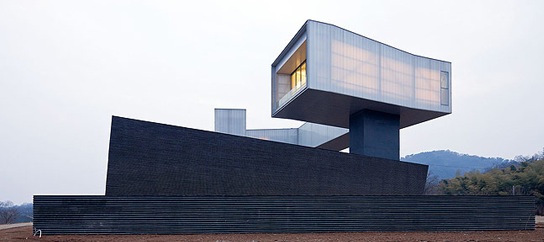
The new museum is sited at the gateway to the Contemporary International Practical Exhibition of Architecture in the lush green landscape of the Pearl Spring near Nanjing, China. It explores the shifting viewpoints, layers of space, and expanses of mist and water, which characterize the deep alternating spatial mysteries of early Chinese painting. Scheduled to Open to the public in fall 2011.
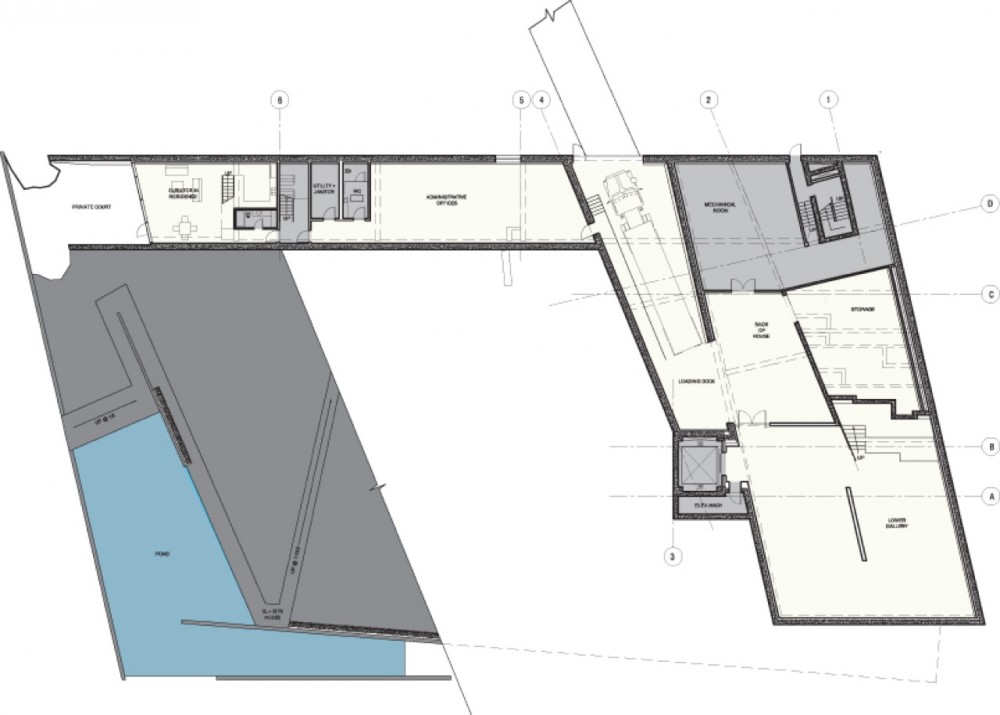
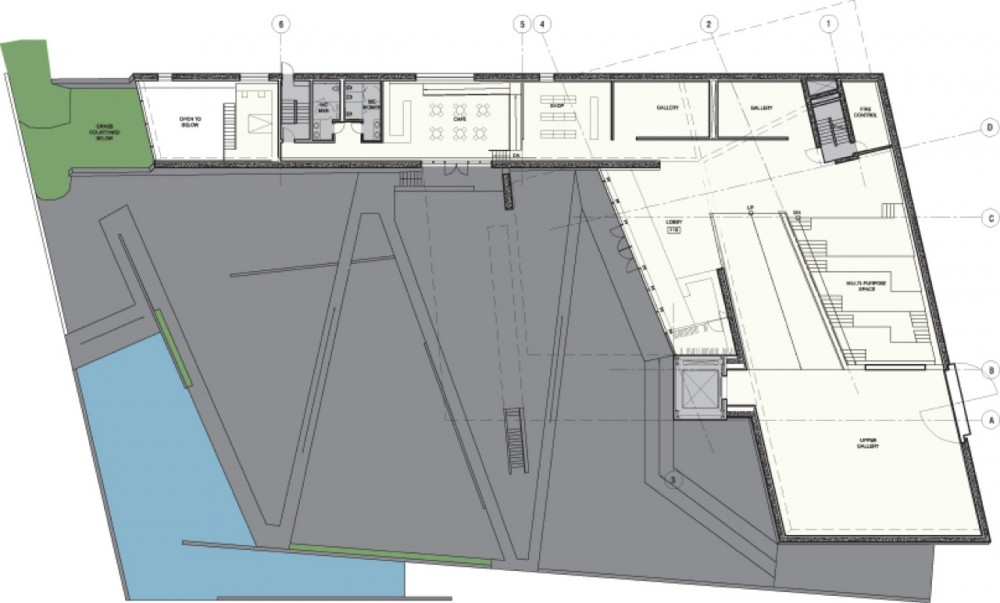
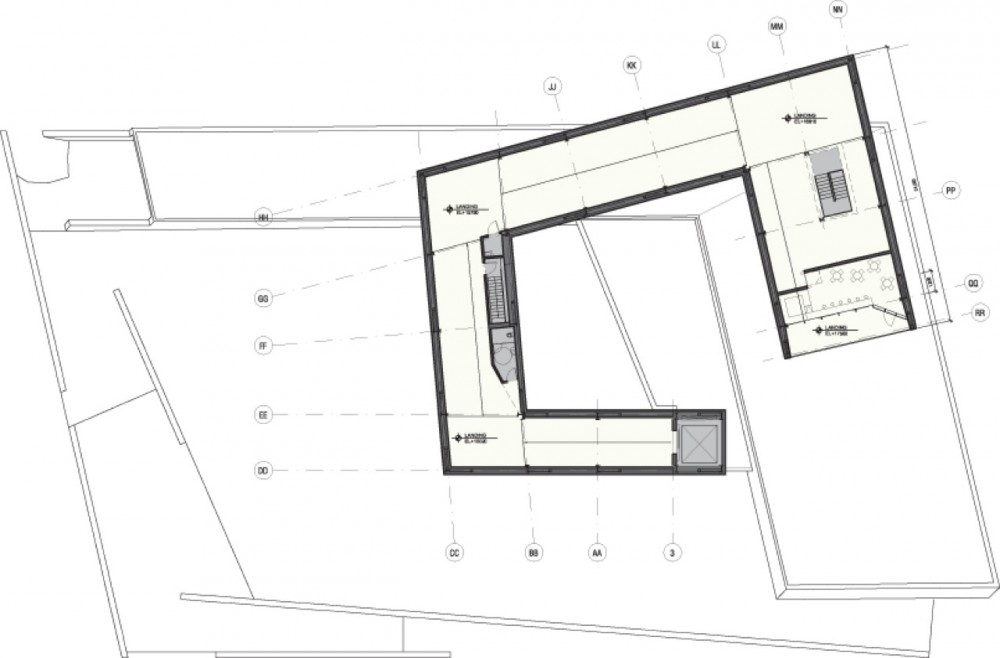
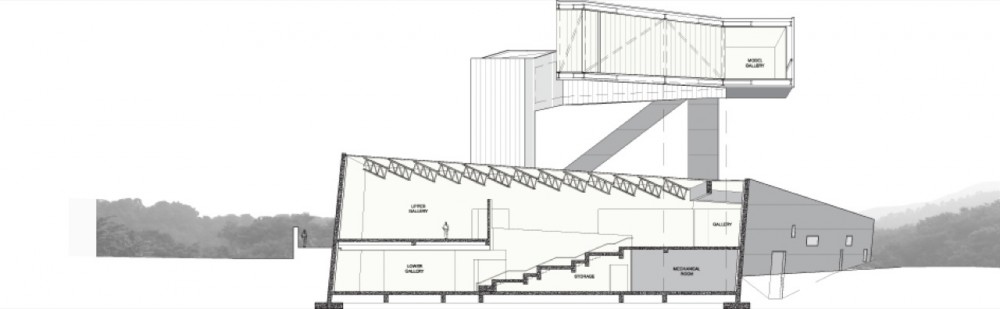
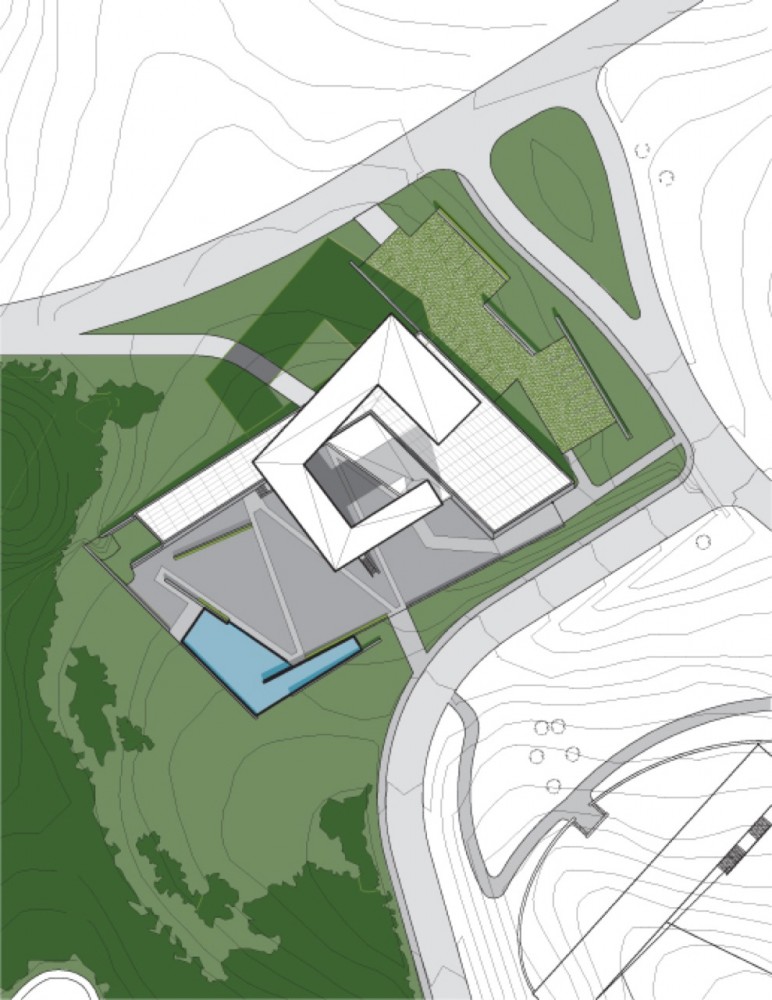
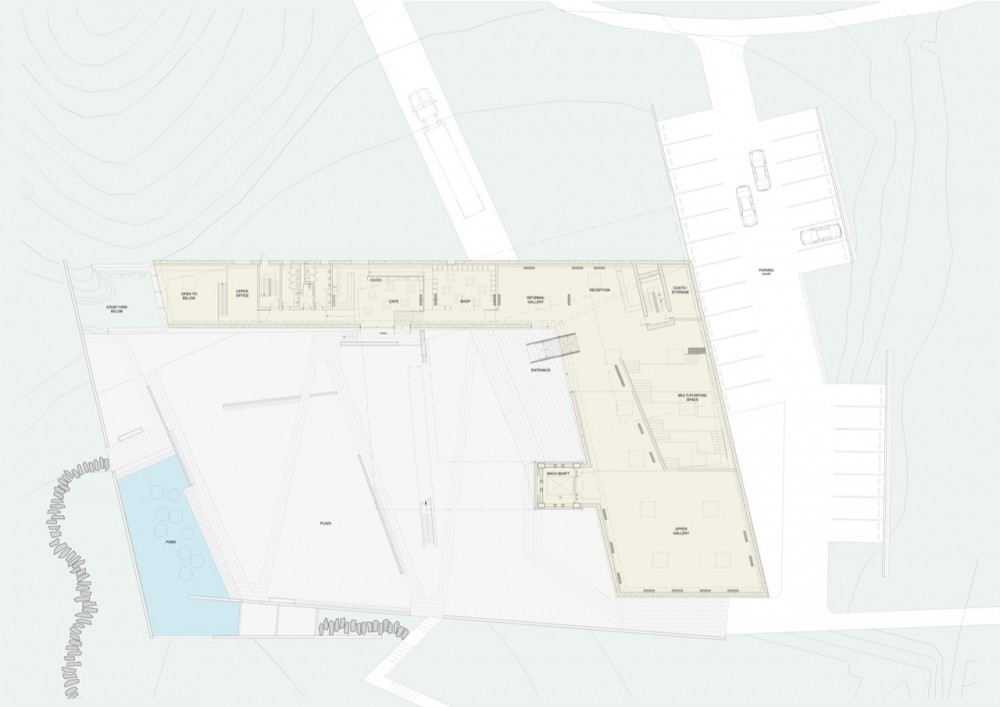
architectural drawings:
suggested on: 12 September 2011 |
Suggested By LT
1 comment/review
Steven Holl Architects on the design of the Nanjing Sifung Museum says:
Sep 12, 2011
Perspective is the fundamental historic difference between Western and Chinese painting. After the 13th Century, Western painting developed vanishing points in fixed perspective. Chinese painters, although aware of perspective, rejected the single-vanishing point method, instead producing landscapes with “parallel perspectives” in which the viewer travels within the painting.
The museum is formed by a “field” of parallel perspective spaces and garden walls in black bamboo-formed concrete over which a light “figure” hovers. The straight passages on the ground level gradually turn into the winding passage of the figure above. The upper gallery, suspended high in the air, unwraps in a clockwise turning sequence and culminates at “in-position” viewing of the city of Nanjing in the distance. The meaning of this rural site becomes urban through this visual axis to the great Ming Dynasty capital city, Nanjing.
The courtyard is paved in recycled Old Hutong bricks from the destroyed courtyards in the center of Nanjing. Limiting the colors of the museum to black and white connects it to the ancient paintings, but also gives a background to feature the colors and textures of the artwork and architecture to be exhibited within. Bamboo, previously growing on the site, has been used in bamboo- formed concrete, with a black penetrating stain. The Museum has geothermal cooling and heating, and recycled storm water.